
As the year draws to a close and we find ourselves on the cusp of a new chapter it’s the perfect time to usher in a breath of fresh air. What better way to do that than with a brand-new air conditioning system? HVAC installation refers to the professional process of installing or replacing complete heating, ventilation, and air conditioning systems in your home. Whether you’re looking to upgrade your current setup or diving into the world of AC for the first time, our end-of-the-year guide for AC installation in Azalea Park, FL, is here to direct you, and consulting a reputable HVAC company can provide expert guidance. It’s also important to select the right system type—such as central air, ductless mini-split, or heat pump—to best match your home’s needs.
How much does it cost to install heating and air conditioning?
The cost to install a heating and air conditioning system typically ranges from $5,000 to $12,000. Standard installations for central HVAC systems average between $4,500 and $8,200. Higher-end systems or projects that require new ductwork or serve larger homes can cost $9,000 to $15,000 or more.
Assess Your Cooling Needs Before Winter Ends
Before you embark on the journey of AC installation, take a moment to reflect on your cooling needs. Consider the size of your living space—measured in square foot—as the cooling capacity of your system should match your home’s needs. Also, think about the number of rooms you want to cool and any specific features you desire. Do you dream of a whisper-quiet system, or perhaps one with smart home integration? Understanding your preferences will guide you in choosing the best system to meet your needs.
Cooling capacity is typically measured in British thermal units (BTUs), and proper sizing ensures both comfort and energy efficiency.
Air conditioning contractors can perform a professional assessment to determine the correct system size for your home.
Explore Energy-Efficient and Smart AC Options
As we bid farewell to the old year, why not welcome the new one with a commitment to energy efficiency? Explore AC systems with high SEER2 ratings, as they indicate superior energy performance and are part of the system’s efficiency ratings, such as the seasonal energy efficiency ratio (SEER). High-efficiency systems may qualify for federal tax credits of up to $3,200, providing additional financial incentives for upgrading to an energy-efficient model. Not only will you be doing your part for the environment but you’ll also enjoy the added benefit of reduced energy bills throughout the year. High efficiency air conditioners and an efficient system can lead to significant energy savings and lower energy costs over time.
Step into the future by considering a smart AC system. Imagine the convenience of adjusting your home’s temperature from your smartphone or asking your virtual assistant to cool things down a bit. Smart thermostats and AC systems offer unparalleled control and efficiency. While high-efficiency and smart systems may have a higher upfront cost, the upfront cost is often offset by long-term savings due to improved equipment efficiency. This gives you the power to create the perfect climate in your home with just a tap or a voice command.
Book a Professional AC Assessment Now
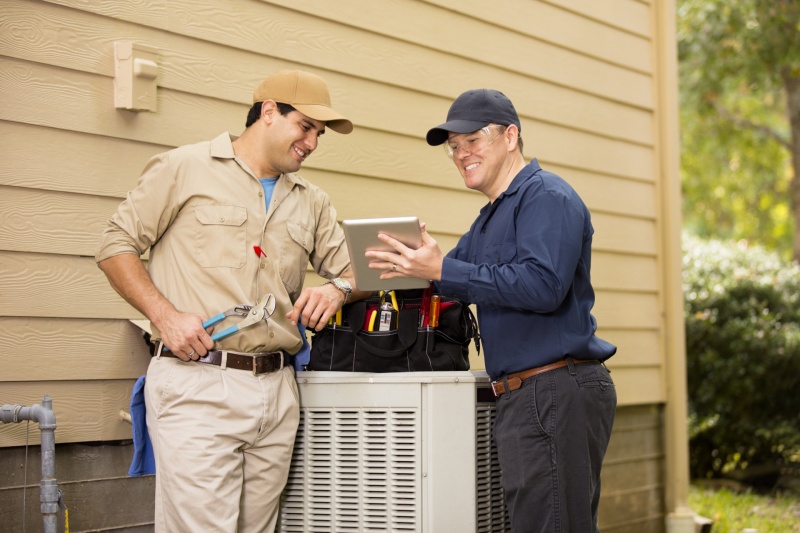
While it’s tempting to take matters into your own hands, AC installation is a task best left to the professionals. The installation process typically involves system selection, removal of old equipment, and setup of the new hvac unit, ensuring all components are properly matched and installed. Typical installations require 12 to 20 hours of labor, depending on the complexity of the project. Schedule a visit from an experienced technician who can assess your home’s specific needs. They can recommend the right hvac equipment and make sure that there is a flawless installation.
The hvac installation cost is influenced by labor costs and various cost factors such as home size, system type, and the condition of pre existing ductwork or the need for a new duct system. Installation labor generally accounts for 30% to 50% of the total price, making it a significant portion of the overall cost. The final price and average cost of installing a new hvac unit or upgrading your entire system can vary widely based on these factors. Options include air conditioner, ac unit, central ac, central air conditioner, and central air system, and homeowners may choose to install central air or consider alternatives. It’s important to check for air leaks in ductwork, as these can impact system performance and increase energy costs.
For homes without existing ductwork, alternatives like ductless mini split, split systems, mini split system, and ductless mini split systems offer flexible installation and cost-effective solutions. When evaluating your options, consider both heating system and residential heating needs, including heat pumps, geothermal heat, geothermal heat pump, electric furnace, gas furnace, oil furnace, and compare furnace costs. Heat pumps can use outdoor air for heating and cooling, while indoor units in ductless systems provide zoned comfort. A larger hvac system may be required for bigger homes, affecting the cost and complexity of the entire system installation.
Additionally, many HVAC providers offer year-end promotions and discounts to make the prospect of a new AC system even more appealing. Take advantage of these opportunities to invest in your home’s comfort.
Permits and Regulations
When planning to install a new HVAC system, it’s important to remember that most communities require specific permits for central air installation. Obtaining a permit for residential HVAC work is typically required by law regardless of your location. These permits ensure that your new system meets local safety and building codes, protecting both your investment and your home. Typically, your HVAC contractor will handle the permit process for you, making sure all paperwork is in order before work begins. Permit costs can vary, but you can expect to pay between $250 and $400, depending on your municipality. By working with a reputable HVAC contractor, you can rest easy knowing your central air installation is fully compliant with local regulations, helping you avoid unnecessary fines and ensuring a safe, efficient setup for your new HVAC system.
Ductwork Requirements
Ductwork is the backbone of any central air conditioning system, responsible for moving cool or warm air throughout your home. If your home already has existing ductwork in good condition, installing central air is typically more straightforward and cost-effective. However, if your home lacks ducts or the current ductwork needs significant repairs, you’ll need to factor in the cost and complexity of ductwork installation. Depending on the size and layout of your home, ductwork installation can range from $1,400 to $5,600. A professional HVAC contractor will assess your current system and recommend the best approach to ensure your central air conditioning delivers efficient heating and cooling to every room. Proper ductwork is essential for maintaining comfort, controlling central air installation costs, and ensuring your air conditioning system operates at peak performance.
Financing Options
Investing in a new HVAC system is a significant decision, but there are several financing options available to make it more manageable. Many HVAC companies offer flexible payment plans with competitive interest rates, allowing you to spread out the cost of your new HVAC system over time. Homeowners may also consider home equity loans or HELOCs for larger projects. Additionally, high-efficiency HVAC systems may qualify for utility rebates or federal tax credits, which can help offset the initial expense. A knowledgeable HVAC contractor can walk you through the available financing options and incentives, helping you choose the best solution for your budget and ensuring you get the most value from your investment.
DIY Installation Risks
While it might be tempting to tackle a central air conditioning system installation on your own, this is one project best left to the professionals. Installing central air requires specialized knowledge, tools, and training—especially when it comes to handling refrigerants and ensuring proper airflow. Improper installation of an HVAC system can void warranties and lead to inefficient cooling or heating. DIY installation can lead to a host of problems, including voided warranties, inefficient cooling, higher energy bills, and even safety hazards. Improperly installed systems may also have a shorter lifespan and require costly repairs down the line. To protect your investment and ensure your central air conditioning system operates safely and efficiently, always hire a licensed HVAC professional for your air conditioning installation.
Home Value Increase
Adding a central air conditioning system is not just about comfort—it’s also a smart investment in your home’s value. Homes equipped with a new HVAC system or central air conditioning system are often more attractive to buyers, especially in regions where air conditioning is a must-have. Enhanced energy efficiency, lower energy bills, and improved indoor air quality all contribute to a higher resale value. According to the National Association of Realtors, homeowners can recoup up to 50% of the installation cost when selling their property. If you’re considering selling in the future, consult with an experienced HVAC contractor to choose the right system for your home and maximize your return on investment.
Create a Year-Round AC Maintenance Plan
As you gear up for your installation don’t forget to plan for regular maintenance. Just like any other piece of machinery, your system needs some TLC to ensure it runs smoothly year after year. Create a maintenance schedule to keep your new investment in pristine condition!
Imagine ringing in the new year with a home that’s perfectly cooled to your liking, thanks to your brand-new AC system, as you bid farewell to the old and embrace the new. With our end-of-the-year guide for AC installs, you’re well on your way to creating a haven of cool tranquility in the year ahead.
Frequently Asked Questions
Question: Why does the guide suggest the end of the year is a good time to install a new AC?
Answer: The guide notes that late in the year is often a slower season for AC demand, which means contractors may offer discounts or promotions. That makes it easier and cheaper to schedule installation before peak season.
Question: What should homeowners consider before installing a new AC system at year-end?
Answer: You should reflect on your cooling needs, the size of the space, number of rooms, and any special preferences like quiet operation or smart home integration, so you choose the right AC type and features.
Question: Why is energy efficiency important when picking an AC system?
Answer: Choosing a high efficiency AC, such as one with a high SEER2 rating, helps reduce electricity bills over time and can offer environmental benefits. A more efficient unit also generally performs better and lasts longer.
Question: Why should installation be done by professionals rather than DIY?
Answer: Professional technicians can assess your home’s layout, existing ductwork or electrical capacity, and accurately install the system so it runs safely and efficiently. This reduces the risk of mistakes and ensures compliance with technical standards.
Question: What should I do after installation to keep my AC running well?
Answer: Plan for regular maintenance, cleaning, filter changes, and occasional checkups, so your system stays efficient, reliable, and lasts many years. This helps avoid future breakdowns and keeps your home comfortable.