
If your air conditioner seems to need another repair every summer, you may be wondering when enough is enough. While some repairs are expected over the life of any HVAC system, frequent breakdowns can quickly become frustrating and expensive. If you’re weighing another repair against AC replacement in Oviedo, FL, understanding the long-term costs and benefits can help you make the best decision for your home.
Gary Munson Heating & Air Conditioning Blog: Archive for the ‘Air Conditioning’ Category
AC Repairs Adding Up? How to Decide if You Should Upgrade Instead
Monday, August 3rd, 2026Get Peace of Mind When Buying a System in March
Monday, March 3rd, 2025
Do you know the best time of year to get a new AC system for your home? Right now! Yes, late winter to early spring is the perfect window of opportunity for an HVAC upgrade. There are some reasons why, in general, this is best regardless of your contractor. And there are reasons why March is particularly fantastic this year when you’re getting your AC system from Gary Munson! Let us explain.
Get Your System Ready for Warm Weather
Monday, February 17th, 2025
That brief respite from the heat is not going to last very much longer. Springtime is coming, with summer following not far behind! Don’t end up wishing your air conditioner was working properly when that first truly hot day hits. Take care of it now! With AC maintenance in Oviedo, FL, you can be perfectly prepared for warm weather. Here are some of the benefits of an AC tune-up!
Essential Upkeep for Your AC Outdoor Unit
Monday, August 5th, 2024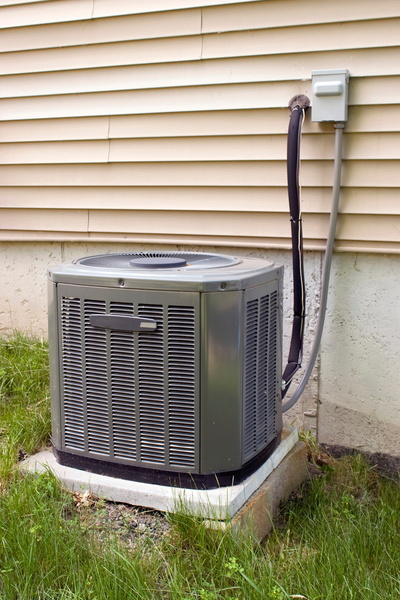
Air conditioners have two units that work together as a team to provide the cooling power your home requires: the indoor unit and the outdoor unit. In your home, you’re more likely to notice what’s going on with the air conditioner. And you’re less likely to allow the indoor unit to get covered with mess such as lawn clippings! The outdoor unit might be a little neglected in comparison.
We’d like to remedy that neglect today. We’re going to focus entirely on the outdoor unit for a moment. What’s so important about the AC outdoor unit? What should you be doing to keep it in good condition? We’ve got all the info you need.
Is Your Old AC Haunting Your Home?
Monday, October 16th, 2023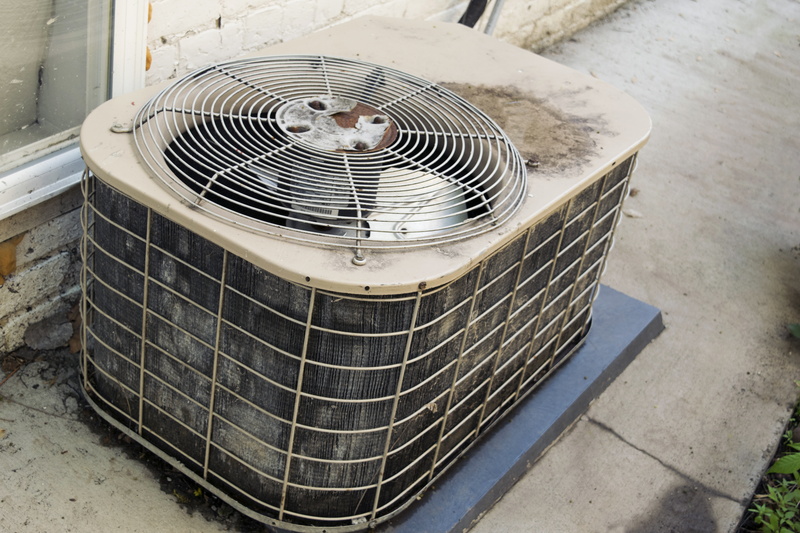
As the leaves change color and the air becomes crisp, we welcome the spooky season of Halloween. While ghosts and goblins may be at the forefront of our minds during this time, there could be another specter haunting your home. It’s your old air conditioner. Yes, you read that right! Your trusty old AC might now be causing chilling HVAC horrors.
Let’s look into the signs that your old system may need central air conditioner replacement in Orlando, FL, in order to bring warmth and comfort back to your living space.
3 Signs of a Malfunctioning Air Conditioner
Monday, September 11th, 2023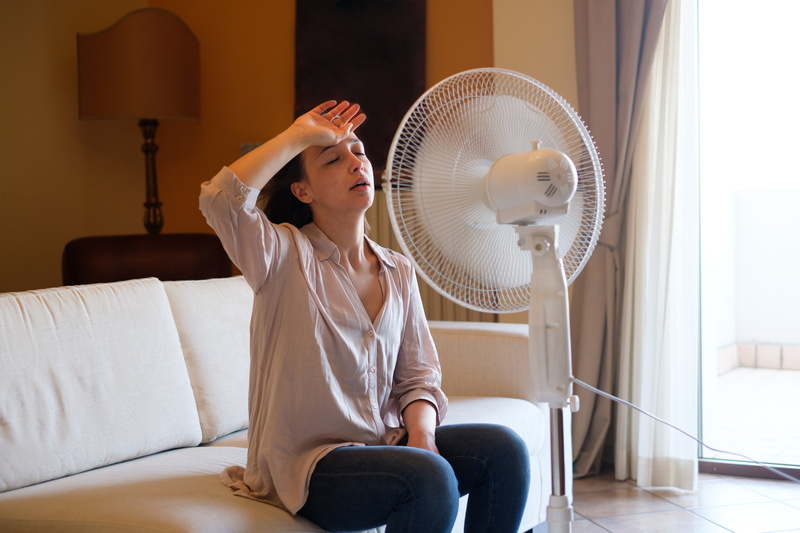
Throughout the summer months, when the sweltering heat rolls in, your air conditioner becomes an irreplaceable part of your home comfort. As is the case with all complex mechanical systems, air conditioners can experience issues from time to time. When this happens it will have you searching for HVAC repair in Winter Park, FL. Recognizing the signs of a malfunctioning air conditioner is important to address problems early and prevent costly repairs or a complete breakdown. Let’s take a look at three common signs that indicate your air conditioner may be in need of attention!
What an Improperly Sized AC Means for Your House
Monday, April 17th, 2023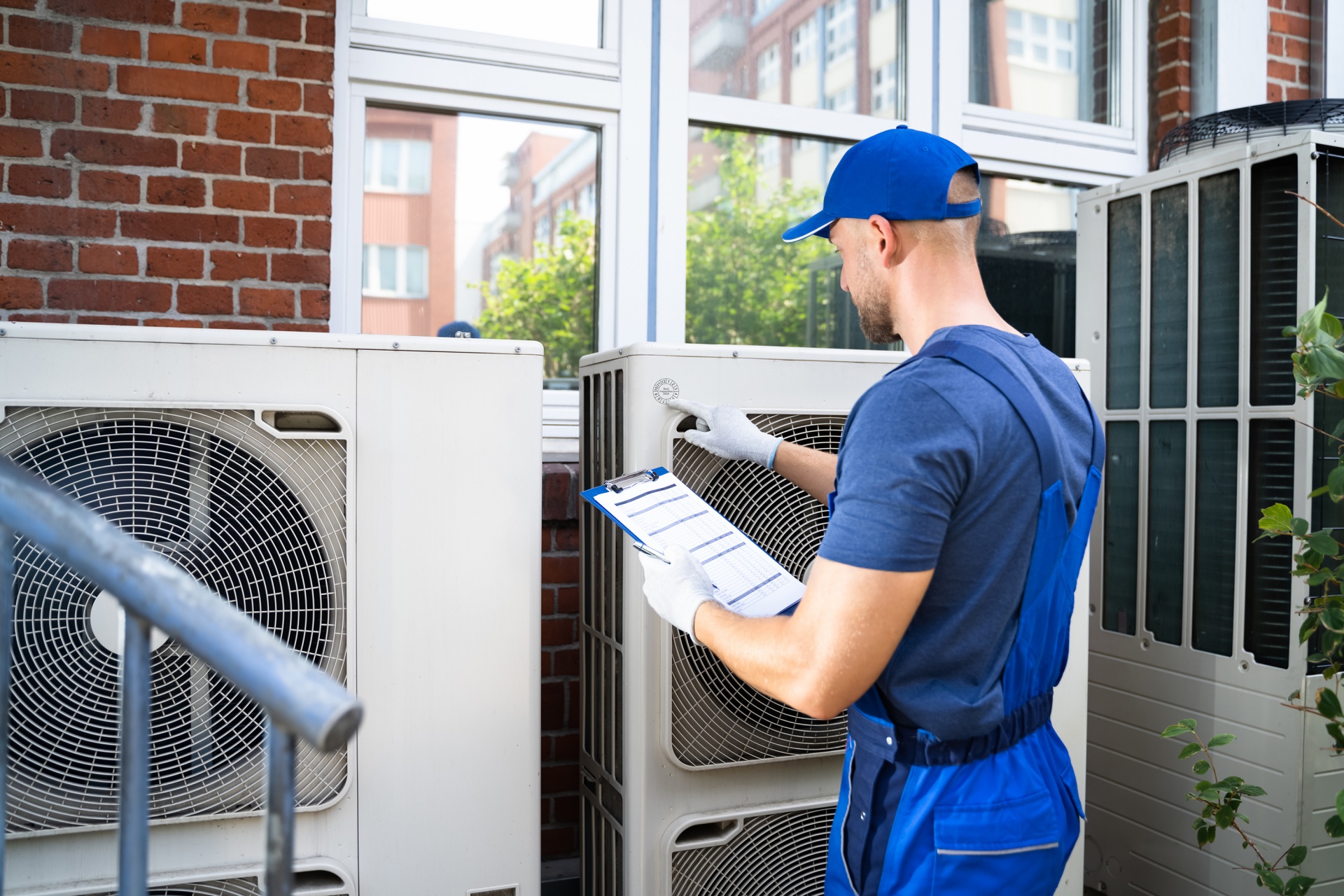
Bigger is often viewed as better, but when it comes to your air conditioner, it’s not so simple. In fact, a bigger AC can actually cost you money and cause you problems, as funny as that sounds.
If your air conditioner is too small, it can lead to more frequent AC repair in Longwood, FL than you should actually need in the first place. The point is this: it’s important to get the right size AC for your home. This is why.
4 Biggest Problems Central AC Runs Into
Monday, December 12th, 2022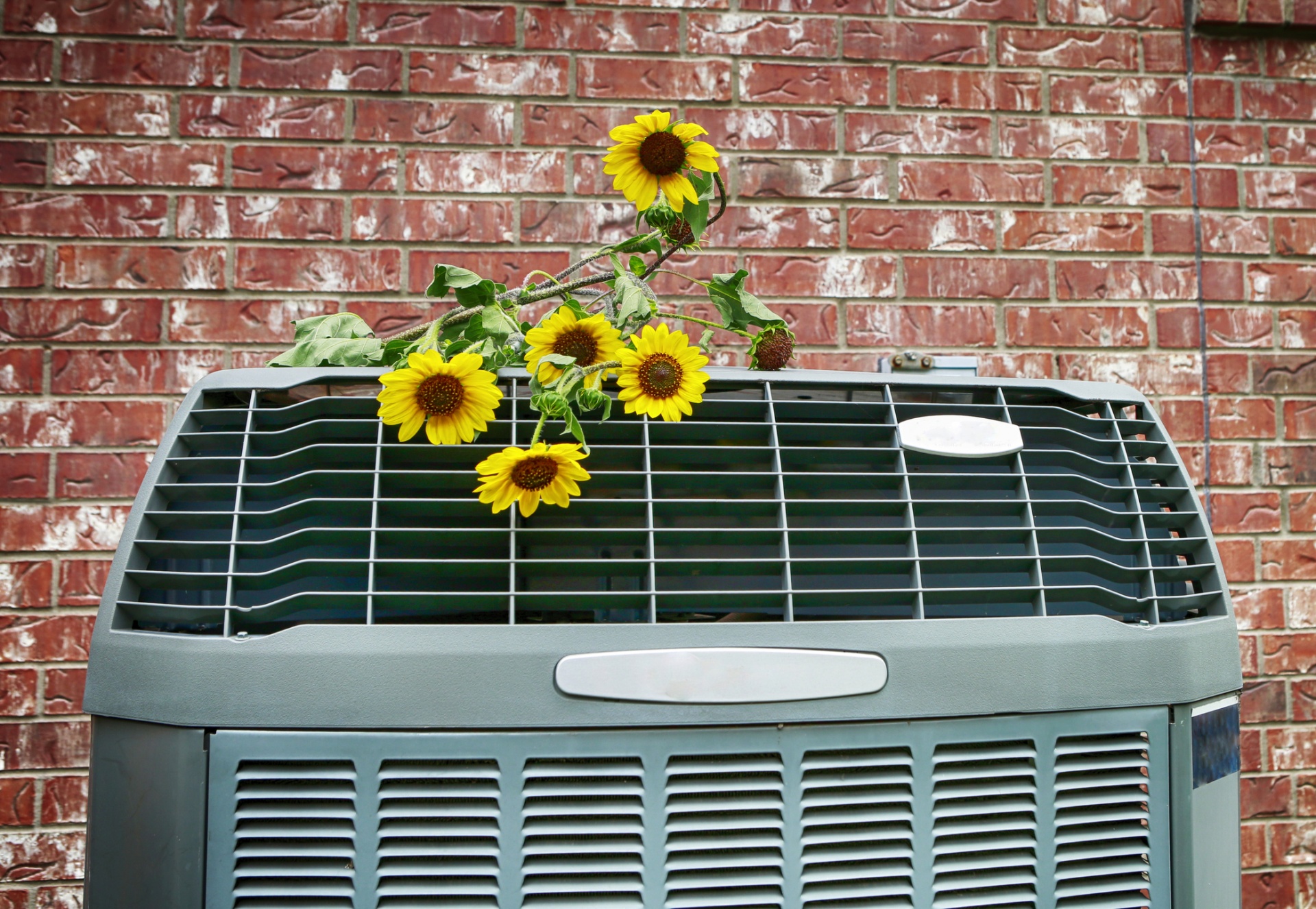
Central air conditioning cools down your entire home at once, runs like clockwork, and is generally efficient. But it’s not without eventual problems, just like any home cooling solution would run into.
With air conditioning in Oviedo, FL, there are four major issues that central AC runs into specific (though not exclusive) to our climate. Let’s walk you through these issues so you can troubleshoot for yourself, and of course, you can always give us a call if troubleshooting doesn’t do the trick.
What to Do When You Have a Refrigerant Leak
Monday, November 28th, 2022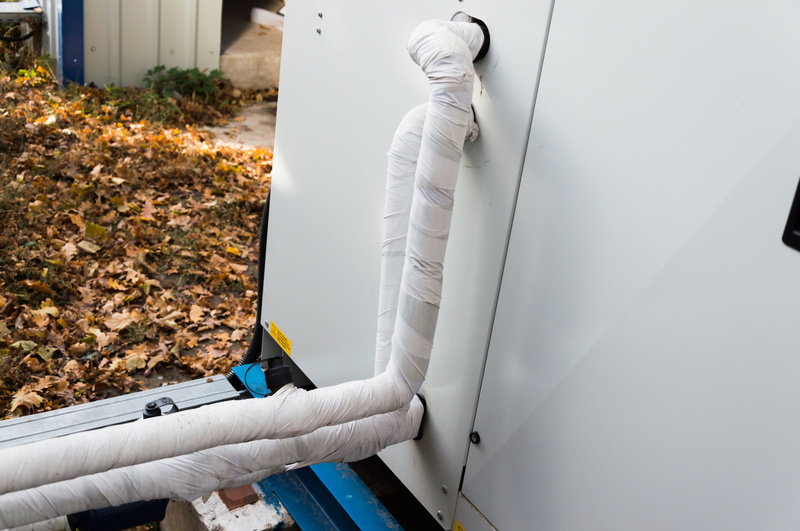
Refrigerant isn’t something you want to mess with. Your AC is running into problems and you notice a leak. Unless you’re looking at the drainage point on your outdoor unit, you’re likely seeing refrigerant.
You have to avoid further damage to your unit, and decide whether or not it’s time to call for air conditioning repair in Orlando, FL once you understand the damage. Let’s help you find out what your next steps are after detecting a refrigerant leak.
Everything to Know About an AC Installation
Monday, March 7th, 2022
It’s March, which means that spring is finally here! Temperatures will soon be warming up and the flowers will be blooming, so for everyone in Florida that means one very important thing–we need to get our AC systems ready! For many homeowners it’s simple, you just need to take your AC cover off or set your thermostat to “cooling” mode when temperatures finally get too hot. But for many other homeowners, this part of the year raises a different question. How do you go about installing a new AC? The install process for a new air conditioning system involves several key steps, including selecting the right system, preparing the site, and ensuring all components are properly connected for optimal performance. Before starting HVAC installation, it is important to safely remove the old system, following proper safety protocols and disposal regulations. Necessary permits must be obtained to ensure compliance with local building codes. In Orlando, Florida, permits must be obtained before installing an HVAC unit to comply with local regulations.
Today, we’re going to talk about some factors that might change the way you investigate AC installation in Orlando, FL. There are all sorts of different cooling systems on the market these days, including central air, and it’s vital that you choose the right one for your home based on the size and layout of the room or rooms you want to cool. For example, a split system is a popular choice that consists of an indoor unit (containing the evaporator coil and air handler) and an outside unit (which houses the condenser and compressor), working together to provide efficient cooling. It’s also essential to have your hvac installation performed by a qualified hvac technician or licensed technicians to ensure compliance with local building codes and that your system operates efficiently. Most HVAC manufacturers void the warranty if the unit is not installed by a licensed and certified professional. Florida law requires that only licensed contractors can install, maintain, or repair HVAC systems. So, let’s discuss all you’d need to know for a new AC installation.
When preparing the site for installation, proper placement of the outside unit (condenser) is crucial. The condenser should be installed on a level pad with adequate airflow, away from windows and doors to minimize noise and ensure efficient operation.
How do you install a heating and air conditioning unit?
- Determine the correct unit size using a professional load calculation
- Prepare the installation area and inspect or modify ductwork if needed
- Mount the indoor unit and place the outdoor condenser on a stable surface
- Connect refrigerant lines, electrical wiring, and the thermostat
- Charge the system, check for leaks, and test system performance
- Adjust airflow and calibrate the thermostat for optimal comfort
- Ensure installation meets all local building and safety codes
Pre-Installation Considerations
Before starting the installation of a new HVAC system, taking the time to plan and assess your home’s needs can make all the difference in how well your new air conditioner performs. One of the first steps is to evaluate your existing ductwork. Leaky or poorly insulated ducts can reduce efficiency and lead to uneven temperatures throughout your home. Ensuring your ductwork is in good condition will help your new system operate efficiently and deliver the comfort you expect. When integrating new components, the supply plenum plays a crucial role in ensuring a proper fit and protecting the evaporator coil, especially during installation. During the site evaluation, a technician inspects your home to assess the best placement for indoor and outdoor units. Additionally, the installation must be inspected by a local building official to ensure it meets all codes.
Another key factor is selecting the appropriate size for your air conditioning unit. An HVAC system that’s too large or too small for your space can result in inefficient operation, frequent repairs, and higher energy bills. Oversized units, in particular, can cause frequent cycling and reduced efficiency, making proper sizing essential for comfort and performance. A professional assessment will take into account your home’s square footage, layout, and unique cooling needs to recommend the right unit size for optimal performance. To accurately size your central AC unit, a contractor will complete an Air Conditioning Contractors of America Manual J load calculation. During new system installation, trained technicians ensure that all equipment matches the home’s heating and cooling needs in terms of capacity and efficiency.
It’s also important to consider your home’s overall energy efficiency. Factors like insulation, window quality, and even construction materials can impact how hard your new system has to work. Addressing these areas before installation can help maximize efficiency, reduce energy consumption, and lead to significant savings over time. Homeowners can save up to 20% on heating and cooling costs by replacing a system that is more than 10 years old with a higher efficiency model. Replacing an HVAC system can lead to significant savings on energy bills, with potential reductions of up to 20% for air conditioners and 15% for furnaces over 15 years old. For even greater efficiency and system compatibility, it is often beneficial to replace the furnace or gas furnace at the same time as the air conditioner.
By carefully evaluating your existing ductwork, ensuring proper sizing, and improving your home’s energy efficiency, you’ll set the stage for a smooth installation process and a cooling system that keeps your home comfortable for years to come. During testing and startup, professionals confirm that the system operates correctly and safely. When connecting the indoor and outdoor units, proper installation of the line set is essential to ensure a leak-free and efficient system.
Understanding Air Handler Components
The air handler is the heart of your HVAC system, working behind the scenes to circulate heated or cooled air throughout your home. It houses essential components like the fan, coil, and housing, all of which play a vital role in ensuring your air conditioner or heat pump delivers consistent comfort. When planning an HVAC installation, understanding the air handler’s function is key to making sure your system operates efficiently and keeps energy bills in check.
A properly sized and matched air handler will work seamlessly with your existing ductwork and the rest of your HVAC system, whether you’re installing a new air conditioner or upgrading to a heat pump. Choosing the right air handler means considering factors such as efficiency ratings, compatibility with your current system, and the specific heating and cooling needs of your home. A well-designed air handler not only boosts efficiency but can also improve indoor air quality by filtering out dust and allergens as air circulates.
During installation, your HVAC technician will ensure the air handler is correctly integrated with your ductwork and other system components. This attention to detail helps your system run smoothly, reduces the risk of breakdowns, and can even extend the lifespan of your HVAC equipment. By understanding the role of the air handler and selecting the right one for your installation, you’ll enjoy reliable comfort and energy savings for years to come.
Existing Ductwork Evaluation
A thorough evaluation of your existing ductwork is a crucial step in the HVAC installation process. Over time, ducts can develop leaks, become damaged, or lose insulation, all of which can compromise the efficiency of your new system. Before installation begins, HVAC technicians will inspect your ductwork to ensure proper airflow and identify any issues that could impact performance.
This process involves checking for air leaks, blockages, and signs of wear that could reduce efficiency or lead to uneven temperatures in your home. If your existing ductwork is in good condition, it can often be reused, saving you time and money. However, if significant problems are found, installing new ductwork may be necessary to ensure your system operates at peak efficiency.
Properly sealed and insulated ducts are essential for maintaining energy efficiency and preventing moisture buildup, which can lead to mold or other issues. By addressing ductwork concerns during the installation process, you’ll help your new HVAC system deliver consistent comfort, lower energy bills, and reduce the need for future repairs.