
Window unit air conditioners are probably the most common system we see used across the country. In the north they’re perfectly fine, since summertime isn’t very long or hot. A window unit to ensure everyone sleeps on a hot night is usually enough to make it through a summer heatwave.
However, where we live, it’s a lot harder to function in your day to day life without a central air conditioner or heat pump. Window units just don’t have the power or the capacity to be able to let you live your life in the space you need to. Especially for families that require a lot of space, where each kid or family member has their own room, you’ll quickly find that you need multiple window units.
Today, we’re going to make the case as to why your next AC installation in Orlando should be a central AC unit or a heat pump.
One of the most common things we hear from families in our area is the fact that certain people think they can live without air conditioning. Ever since the invention of AC technology, it’s been thought that AC was more of a luxury than a necessity. Many people, it seems, can go without it and it just depends on your lifestyle, your budget, and your own personal preference, right?
Well, not exactly. A lot of people can feel like they’re forced to go without air conditioning because they think they’re cutting the costs needed for something else. Others believe that air conditioning is “too expensive” and is a luxury they can go without, but that might not always be the case.
We want to remind people that there is a legitimate need for air conditioning in Orlando, FL, and depending on how you live your life, it might not be as expensive as you think.
Sometimes diagnosing the problem with your air conditioner can feel like you’re solving a mystery or puzzle. You’re given some strange symptoms and you need to try and figure out what’s causing the noises so they can be repaired by a professional.
Now, most of the time we would just tell you to call our team for support since we can do all the diagnosing for you. But that’s not a good enough answer for a lot of people. It can be hard to tell when the right time might be to call for a pro’s help, and this is going to be a blog post that helps you determine if you’re at that point.
Simply put, here are three specific air conditioning noises that can point toward three different problems. If you recognize them, you’ll now know you should call for professional AC repair in Orlando, FL.
June is here, which means that the cooling season is well underway. If you haven’t spent at least a few weeks thinking about how you’re going to cool your home, then at least you’re going to start doing it now! Cooling, especially in our area, is just a facet of life and a thing we need to devote some resources towards if we’re going to be comfortable and happy.
However, one big hurdle we run into every time we’re talking about new air conditioning technology or best practices is the fact that there’s not very reliable information on the web. Sure, you can find videos or guides on how air conditioning might work, or how certain AC units can cool a home, but those guides aren’t very local and they might be talking about a different kind of system than the one you have at home.
We’ve spoken on this blog about the importance of a dehumidifier in our neck of the woods, but we rarely go into a lot of detail about it. Well, we’re going to change that today by giving you some of the best reasons why a dehumidifier might be your most anticipated purchase this year. Especially if you’ve got an air conditioner that’s relatively young or in good shape, a dehumidifier might be a great way to improve energy efficiency, make your home more comfortable, and help your AC last long into old age.
Dehumidifiers in Orlando, FL are systems that draw moisture out of the air as their primary job. While your air conditioner might also do this job, it doesn’t do it nearly as well and it’s not the focus of your AC. By running a dehumidifier simultaneously with your air conditioner, your AC can focus on cooling your home while your dehumidifier focuses on drawing moisture out of the air.
We’ve written a lot of blogs about refrigerant. It’s a substance that is central to this industry, and there are decisions being made right now about which refrigerant will be the next big one for future AC systems on the market. R-454B, for example, is looking like a strong contender to replace R-410A, but many special interest groups are lobbying for this decision currently. While we can’t tell you the future, we can tell you why this is such a big deal.
Refrigerant is a powerful force for air conditioning. It’s the whole reason why we’re able to use AC systems and cool our homes. If we tried to replace our AC system’s refrigerant with water, for example, we’d run into a whole host of issues.
Keep reading to learn more about refrigerant and your air conditioning in Orlando, FL. Just make sure that you call us if you have any additional questions after this blog post!
You might be one of many reoccurring readers on our blog who wonders where we get our information. It’s a good question to have! In this era of easily available info, it’s vital that you parse through the misconceptions and get to the facts. While yes, we might be a team of experienced HVAC professionals, we also have great sources that help us tell homeowners how important things like energy efficiency are.
When it comes to air conditioning in Orlando, FL, we want to help homeowners help themselves. The more informed you are on HVAC equipment and energy efficiency, the more likely you’ll adopt good practices that keep your system running well.
So, this blog post is specifically about 3 unique resources you can take advantage of right now that will help you stay informed and educated on your HVAC system.
As the summer heat is on its way and we’re living our best lives here in Florida, there’s a very important topic that we need to cover. Your home is going to depend very heavily on air conditioning in Orlando, FL, so the more we can help you achieve peak performance and high efficiency, the happier we’ll be.
Your air conditioner isn’t going to work very well if all the conditioned air it creates ends up leaking through ductwork, broken windows, open doors, or skylights. This is something we see every year: a homeowner with a brand-new air conditioning system that is run into the ground due to unsuspecting air leaks all over the home.
Insulation is key, and no air conditioner is going to run efficiently without it. While homes might be less insulated here because of our mild winters, it’s still an important task that we want to help you with.
“Can’t someone just tell me how much an air conditioning installation or HVAC repair in Orlando is going to cost?”
Unfortunately, it’s not that simple and we understand your frustration. We do the best we can to accommodate all of our customers. When inaccurate estimates start to shake a customer’s trust in the process, then something is wrong. That’s why we take the estimate process very seriously.
An estimate is a way that we try to figure out how much a service is going to cost, without actually performing the work yet. It’s a method of communication with a customer. We might not know the source of the problem is until we start working on it, but we want homeowners to know how much that work is going to cost before they sign up for it.
It’s March, which means that spring is finally here! Temperatures will soon be warming up and the flowers will be blooming, so for everyone in Florida that means one very important thing–we need to get our AC systems ready! For many homeowners it’s simple, you just need to take your AC cover off or set your thermostat to “cooling” mode when temperatures finally get too hot. But for many other homeowners, this part of the year raises a different question. How do you go about installing a new AC? The install process for a new air conditioning system involves several key steps, including selecting the right system, preparing the site, and ensuring all components are properly connected for optimal performance. Before starting HVAC installation, it is important to safely remove the old system, following proper safety protocols and disposal regulations. Necessary permits must be obtained to ensure compliance with local building codes. In Orlando, Florida, permits must be obtained before installing an HVAC unit to comply with local regulations.
Today, we’re going to talk about some factors that might change the way you investigate AC installation in Orlando, FL. There are all sorts of different cooling systems on the market these days, including central air, and it’s vital that you choose the right one for your home based on the size and layout of the room or rooms you want to cool. For example, a split system is a popular choice that consists of an indoor unit (containing the evaporator coil and air handler) and an outside unit (which houses the condenser and compressor), working together to provide efficient cooling. It’s also essential to have your hvac installation performed by a qualified hvac technician or licensed technicians to ensure compliance with local building codes and that your system operates efficiently. Most HVAC manufacturers void the warranty if the unit is not installed by a licensed and certified professional. Florida law requires that only licensed contractors can install, maintain, or repair HVAC systems. So, let’s discuss all you’d need to know for a new AC installation.
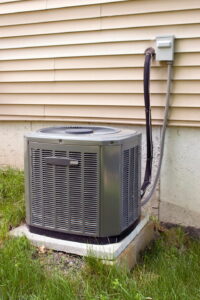
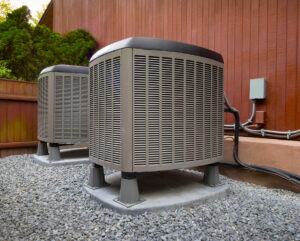
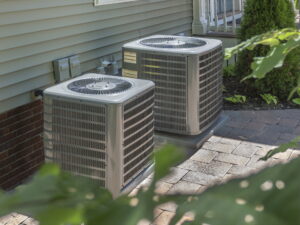
When preparing the site for installation, proper placement of the outside unit (condenser) is crucial. The condenser should be installed on a level pad with adequate airflow, away from windows and doors to minimize noise and ensure efficient operation.
How do you install a heating and air conditioning unit?
Determine the correct unit size using a professional load calculation
Prepare the installation area and inspect or modify ductwork if needed
Mount the indoor unit and place the outdoor condenser on a stable surface
Connect refrigerant lines, electrical wiring, and the thermostat
Charge the system, check for leaks, and test system performance
Adjust airflow and calibrate the thermostat for optimal comfort
Ensure installation meets all local building and safety codes
Pre-Installation Considerations
Before starting the installation of a new HVAC system, taking the time to plan and assess your home’s needs can make all the difference in how well your new air conditioner performs. One of the first steps is to evaluate your existing ductwork. Leaky or poorly insulated ducts can reduce efficiency and lead to uneven temperatures throughout your home. Ensuring your ductwork is in good condition will help your new system operate efficiently and deliver the comfort you expect. When integrating new components, the supply plenum plays a crucial role in ensuring a proper fit and protecting the evaporator coil, especially during installation. During the site evaluation, a technician inspects your home to assess the best placement for indoor and outdoor units. Additionally, the installation must be inspected by a local building official to ensure it meets all codes.
Another key factor is selecting the appropriate size for your air conditioning unit. An HVAC system that’s too large or too small for your space can result in inefficient operation, frequent repairs, and higher energy bills. Oversized units, in particular, can cause frequent cycling and reduced efficiency, making proper sizing essential for comfort and performance. A professional assessment will take into account your home’s square footage, layout, and unique cooling needs to recommend the right unit size for optimal performance. To accurately size your central AC unit, a contractor will complete an Air Conditioning Contractors of America Manual J load calculation. During new system installation, trained technicians ensure that all equipment matches the home’s heating and cooling needs in terms of capacity and efficiency.
It’s also important to consider your home’s overall energy efficiency. Factors like insulation, window quality, and even construction materials can impact how hard your new system has to work. Addressing these areas before installation can help maximize efficiency, reduce energy consumption, and lead to significant savings over time. Homeowners can save up to 20% on heating and cooling costs by replacing a system that is more than 10 years old with a higher efficiency model. Replacing an HVAC system can lead to significant savings on energy bills, with potential reductions of up to 20% for air conditioners and 15% for furnaces over 15 years old. For even greater efficiency and system compatibility, it is often beneficial to replace the furnace or gas furnace at the same time as the air conditioner.
By carefully evaluating your existing ductwork, ensuring proper sizing, and improving your home’s energy efficiency, you’ll set the stage for a smooth installation process and a cooling system that keeps your home comfortable for years to come. During testing and startup, professionals confirm that the system operates correctly and safely. When connecting the indoor and outdoor units, proper installation of the line set is essential to ensure a leak-free and efficient system.
Understanding Air Handler Components
The air handler is the heart of your HVAC system, working behind the scenes to circulate heated or cooled air throughout your home. It houses essential components like the fan, coil, and housing, all of which play a vital role in ensuring your air conditioner or heat pump delivers consistent comfort. When planning an HVAC installation, understanding the air handler’s function is key to making sure your system operates efficiently and keeps energy bills in check.
A properly sized and matched air handler will work seamlessly with your existing ductwork and the rest of your HVAC system, whether you’re installing a new air conditioner or upgrading to a heat pump. Choosing the right air handler means considering factors such as efficiency ratings, compatibility with your current system, and the specific heating and cooling needs of your home. A well-designed air handler not only boosts efficiency but can also improve indoor air quality by filtering out dust and allergens as air circulates.
During installation, your HVAC technician will ensure the air handler is correctly integrated with your ductwork and other system components. This attention to detail helps your system run smoothly, reduces the risk of breakdowns, and can even extend the lifespan of your HVAC equipment. By understanding the role of the air handler and selecting the right one for your installation, you’ll enjoy reliable comfort and energy savings for years to come.
Existing Ductwork Evaluation
A thorough evaluation of your existing ductwork is a crucial step in the HVAC installation process. Over time, ducts can develop leaks, become damaged, or lose insulation, all of which can compromise the efficiency of your new system. Before installation begins, HVAC technicians will inspect your ductwork to ensure proper airflow and identify any issues that could impact performance.
This process involves checking for air leaks, blockages, and signs of wear that could reduce efficiency or lead to uneven temperatures in your home. If your existing ductwork is in good condition, it can often be reused, saving you time and money. However, if significant problems are found, installing new ductwork may be necessary to ensure your system operates at peak efficiency.
Properly sealed and insulated ducts are essential for maintaining energy efficiency and preventing moisture buildup, which can lead to mold or other issues. By addressing ductwork concerns during the installation process, you’ll help your new HVAC system deliver consistent comfort, lower energy bills, and reduce the need for future repairs.